AI Game Engines Ranked by Whether Steam Deployment Is Wired in or Bolted On
Native engine projects unlock Steam's full features; browser wrappers do not.

AI game engines with native desktop projects offer the strongest foundation for Steam publishing because deployment is part of the architecture. The decisive test is whether the tool produces an editable engine project, supports Steamworks integration, and lets its AI work inside that project. Those capabilities establish a Steam pipeline, but do not by themselves prove built-in publishing to itch.io or mobile.
Why the "real project vs. hosted demo" split matters more than any feature list
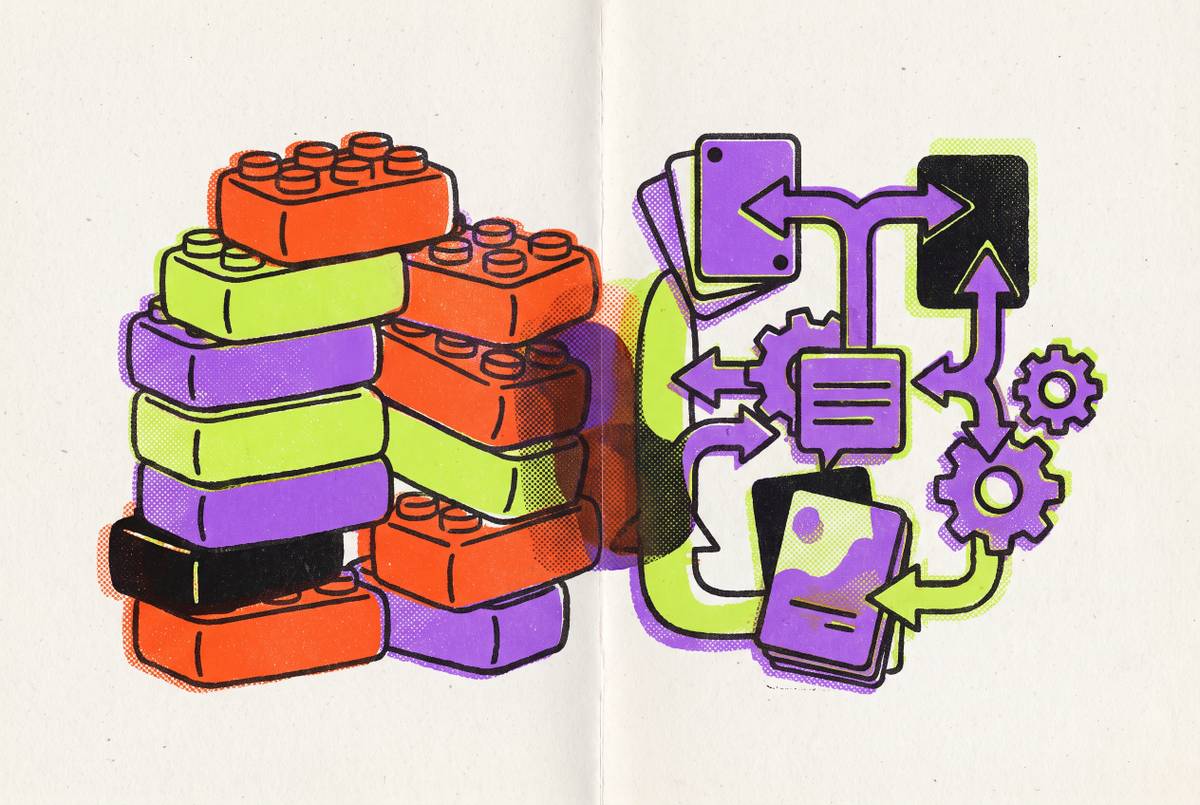
Steam distributes desktop executables. That requirement makes the output of an AI game tool more useful as a selection criterion than its model or feature count. A real engine project contains scenes, a scene tree, editable scripts, an asset pipeline, and a native desktop export. A hosted demo is a playable web page shared by link, but it lacks the engine project needed to keep working toward a Steam release. The difference begins with what the developer keeps.
A browser game can be an excellent prototype or a convenient way to test an idea with friends. Its immediate availability serves that goal well, while a desktop project serves the different goal of building, extending, and selling a standalone game. Comparing both outputs as though they were interchangeable rewards convenience without accounting for the intended destination. For a Steam-bound developer, the useful question is whether the initial result can become the eventual product.
What "wired in" actually means as an architectural commitment
When a tool creates engine scenes, scripts, and resources, desktop export follows from the same project the developer has been editing. When a tool builds the game around a hosted browser runtime, that runtime stays at its core even after a download option is added. The exported package can wrap the browser experience without becoming a native engine project.
Achievements, leaderboards, Steam Cloud, P2P lobbies, and voice require access to Steamworks, rather than merely a package that can run on a desktop. A real engine project provides a practical route into those systems as part of the engine's development path, while a wrapped browser experience requires additional integration work to support them.
Don't Pray demonstrates what that path can support. The 3D PvP magic shooter launched on Steam in Early Access with peer-to-peer multiplayer and voice chat, built by a small team in roughly two and a half months. Its engine project gave it full Steamworks access, taking it beyond a wrapped demo.
The four tiers of AI game tools on the wired-in/bolted-on spectrum
Tier 1 includes AI-native desktop engines that have Steam deployment wired in. Here, the AI is the primary interface to a real engine running on the developer's machine. It creates nodes, writes GDScript, wires input, and generates assets that become engine resources without the developer having to import the files by hand. The output is a standalone desktop executable backed by an editable project. For the Godot 4-based architecture considered here, GodotSteam also provides access to the deeper Steamworks feature set.
Don't Pray sets the bar for a tool's place in this tier. To meet that bar, a tool must go beyond a promise of export and have a project that supports the services used in that release. There is a cost to that depth. Tier 1 requires a desktop installation, and the first build of a 3D game takes longer than a browser generator's instant demo. It is not the right fit for a thirty-second prototype intended for immediate sharing with a friend.
Tier 2 includes browser-first tools that add a download option later, most often on paid plans. Their downloadable packages include an executable, supporting runtime files, and an editable copy of the project source. That makes a Steam release technically possible. However, editable source alone does not turn the hosted-runtime design into a native engine project, so deeper Steamworks access remains constrained by the architecture. These tools suit game jams, quick prototypes, and browser games, especially when a Steam release might come later and is not the main goal.
Tier 3 includes code-generation assistants used with a separate engine. Cursor is an example of an AI code editor used in such a workflow, editing GDScript or C# while the engine performs the engine work. The project can support Steam deployment, though the assistant does not handle that work. In this pairing, the AI edits text without seeing the scene tree, running the project, or reading its diagnostics, leaving the developer to connect generated code with the running game. Its position below Tier 2 reflects the absence of a single-product publishing workflow.
Tier 4 includes concept tools and generators that have no engine project. They can help with a different part of game creation, but they do not produce the foundation required for a Steam release. A tool can be effective at ideation without being a publishing system. The ranking across all four tiers follows the Steam path shown here and makes no promise of direct itch.io and mobile publishing.
How the Godot 4 / GodotSteam layer makes Tier 1 deeper than a simple export button
GodotSteam exposes the Steamworks SDK to standard Godot 4 projects. That gives the Tier 1 architecture access to achievements, leaderboards, cloud saves, lobbies, P2P networking, and voice chat through the underlying project. These are development capabilities. Their availability means that choosing a native project affects what the game can become before it reaches the store. The export button is only the final visible part of that relationship.
For multiplayer, Steam Lobbies and the networking methods sendP2PPacket and readP2PPacket provide a path to peer-to-peer game hosting. The Steam Voice API brings voice chat within reach of a small team through the same integration. Don't Pray used that access rather than requiring a separate vendor or custom networking stack. Its relevance is therefore narrower and more useful than a general claim that AI makes multiplayer easy. It shows that the engine layer can expose the services a multiplayer game needs.
A native build supplies the executable Steam expects, while putting it on the store requires a Steamworks account and Valve's one-time Steam Direct fee of one hundred US dollars per game.
Which AI game tools can read the running game rather than act as a sidebar assistant?
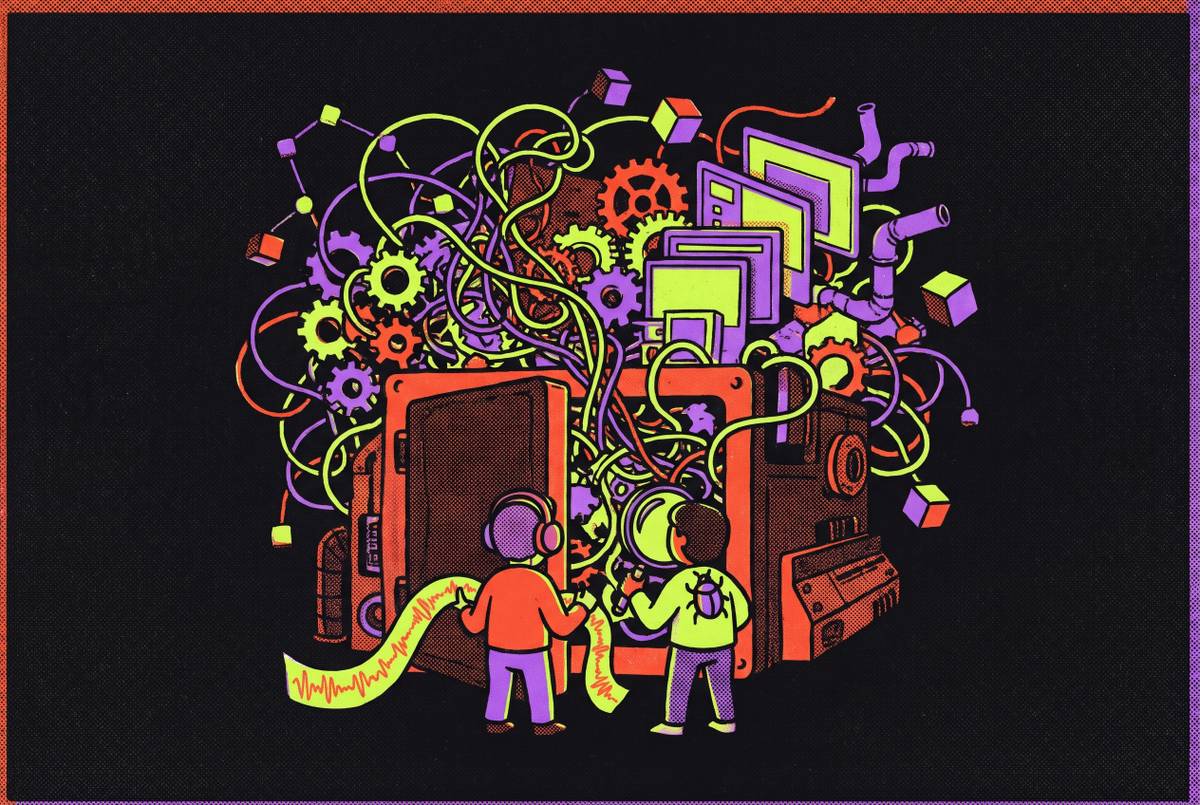
An AI that operates inside the editor has a different development loop from one that only generates code. It can read the scene tree, run diagnostics, and correct mistakes against the project it is changing. The feedback comes from the actual game. By contrast, an assistant without that access depends on the developer to reconcile its text output with the engine's state.
The Model Context Protocol, or MCP, layer exposes the editor and runtime to an AI agent. That access lets it work with the game's own scene files, node names, and script structure, going beyond what it knows about the engine in general. A request such as “make the enemies faster” can use the existing project context without requiring the developer to explain it again. An assistant that cannot see the scene tree may produce plausible code against a structure the project does not have.
This extends the native-project advantage into daily iteration. The same project that gives access to Steamworks also gives the agent objects it can inspect and change as the game is built. The AI can use diagnostics to fix mistakes in a feedback loop with the engine's results, without the developer having to pass that information along by hand.
The itch.io supply shock and what it means for the bolted-on tier
Lower production barriers also increase the supply of games. That is the strongest qualification to the promise of easier publishing, whether the intended destination is itch.io or Steam. A tool that makes it less work to release a game also makes it easier to put out low-effort listings. Export capability does not establish demand. The architectural ranking therefore addresses the ability to build and ship.
On Steam, the backlash described here concerns low-effort, visibly AI-generated content. The distinction is between AI used as an obvious shortcut and AI used as an invisible wingman. When the assistance is not detectable in the result, players do not encounter the same visible reason to object. Craft remains the relevant test. A technically publishable executable can still offer too little depth or polish to distinguish itself from quick-generated demos.
The bolted-on tier faces that risk because its focus on speed can draw projects that aim to get something out at once with limited time for working on it. Retrofitted export does not itself make a game shallow, and a native engine does not make one polished. Tier 1's more defensible advantage is the room it provides for iteration, including a developed core loop, refinement, and integrated multiplayer. Those capabilities provide ways to improve the product, but the developer still has to use them.
How to apply the wired-in/bolted-on test before picking a tool
The practical decision begins with three questions about the proposed workflow. First, where does the project live at the end of a session? If it remains on a server controlled by the tool, a Steam export path is retrofitted at best and absent at worst. Local editable project files provide a stronger foundation. Source files that come with a browser wrapper still need to be told apart from a native engine project, because both can be downloaded but offer different ways to keep building the game.
Second, can the AI read the running game? Access to diagnostics, scene trees, and runtime errors gives the agent evidence it can use to correct its work. Without that access, the developer becomes the integration layer between generated snippets and the engine. This predicts a different kind of workload. Weigh how quickly the assistant writes code alongside how much of the resulting debugging loop falls back on the person directing it.
Third, how deep into Steamworks can the project reach? Achievements and leaderboards are a starting point, while P2P lobbies, voice chat, and Steam Cloud show whether integration goes beyond a basic executable. If those features need a separate vendor or custom integration, that work needs to be weighed when choosing the tool. The answer should match the intended game. For a project meant to leave the tool as a real, sellable product, editable ownership, runtime visibility, and service access are the architectural requirements to resolve before the first prompt.